Professional Bellingham Web Design with Search Engine Optimization
Enhance Your Brand By Exceptional Website Design Services
In the current digital environment, a brand's online profile is indispensable. Stunning website design serves as an important tool for drawing attention and fostering user engagement. It reflects a brand's identity while enhancing trust among visitors. However, many brands fail to recognize key design elements that can substantially impact their success. Understanding these components can play a crucial role in improving a brand’s image and online effectiveness. What should brands consider in their design strategy?
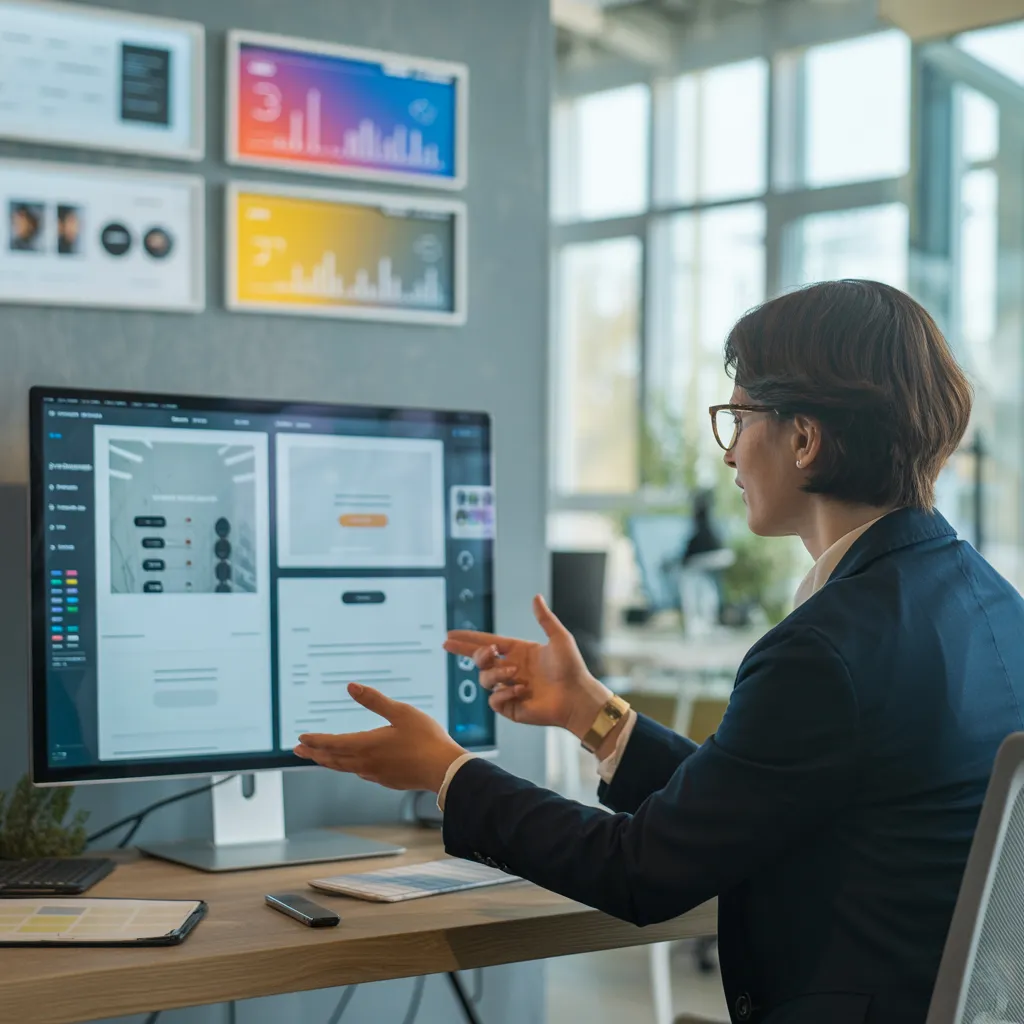
Why Stunning Web Design Is Important for Your Business
An appealing website design acts as a vital touchpoint for any brand, impacting first impressions and user involvement. In today’s digital world, a expertly crafted website functions as a virtual storefront, showcasing a brand’s identity and values. Users typically form quick judgments, evaluating whether to stay or leave based on aesthetic and functionality. A consistent design nurtures trust, signaling professionalism and reliability, while a cluttered or outdated site may repel potential customers and undermine a brand’s reputation.
Moreover, powerful layout connects emotionally, improving visitor satisfaction through easy-to-use menus and aesthetic appeal. This bond motivates visitors to explore deeper and engage with the content, resulting in higher conversion rates. Ultimately, a stunning website design not only attracts traffic but also builds a dedicated audience, establishing a strong online presence that distinguishes the brand in a crowded industry.
Vital Dimensions of Impactful Website Design Assistance
Effective website design services depend on two critical elements: user experience optimization and visual aesthetic appeal. Prioritizing user experience ensures that visitors browse effortlessly, while a strong visual aesthetic captures attention and reinforces brand identity. Together, these elements create a compelling and functional website that meets user needs.
User Experience Enhancement
Enhancing user experience is essential for any web design agency aiming to capture audience interest and improve conversion rates. A efficiently designed website allows easy navigation, allowing users to find information quickly. Intuitive layouts and clear calls to action can boost significantly engagement. Additionally, making sure websites function well on mobile devices is vital, as a rising number of visitors access sites via smartphones. Speedy load times also help improve the experience; slower performance may result in higher bounce rates. Accessibility should not be overlooked; sites must be designed to accommodate all users, including those with disabilities. Collecting user feedback and conducting usability testing can provide valuable insights, enabling continuous improvements and ensuring the site meets the expectations and requirements of its users.
Engaging Visual Appeal
User experience and visual appeal represent connected aspects of website design that deeply influence visitor engagement. The aesthetic elements of a website, including color schemes, typography, and imagery, make an immediate impression that can captivate users. A harmonious design fosters brand identity and builds trust, encouraging visitors to explore further. Effective use of whitespace enhances readability and creates a balanced layout, while high-quality visuals can successfully convey messages and evoke emotions. Furthermore, responsive design guarantees that aesthetic appeal is maintained across devices, improving overall user satisfaction. Ultimately, a visually appealing website not only attracts attention but also supports the functionality and usability, producing improved conversion rates and sustained visitor interest.
Picking the Best Visual Style Tailored to Your Audience
How can a site's visual aesthetic connect with its intended users? Choosing the appropriate design style is essential for successfully communicating with users. A brand must first analyze its audience characteristics, tastes, and patterns. For instance, a younger audience may react more favorably to bright hues and engaging designs, while a more established demographic might favor a minimalist and sophisticated approach.
In addition, the market sector plays an important role in shaping design choices. A tech startup may gain benefits from a up-to-date aesthetic with inventive features, whereas a law firm might select a classic, dignified look. Consistency in design elements such as typography and imagery strengthens brand identity and creates trust. Ultimately, the right design style not only attracts attention but also matches the values and expectations of the audience, enabling a meaningful connection. Through intentional design decisions, brands can create an strong online presence that communicates their target market.
How User Experience Influences Website Success
User experience underpins a website's success by establishing seamless navigation and a flexible mobile experience. Superior design facilitates users finding information with ease and participate in content, independent of the device they are using. Emphasizing these elements can markedly enhance user fulfillment and retention.
Easy-to-Use Interface Framework
While successful website design encompasses various elements, intuitive navigation stands out as a critical factor influencing visitor satisfaction and overall site performance. A well-structured menu structure allows users to find information quickly, decreasing frustration and improving satisfaction. Clear labels, logical hierarchy, and consistent placement of menu items contribute to a seamless browsing experience. Users are better able to interact with content and return to a site that provides simple navigation. Furthermore, user-friendly navigation builds trust, as visitors feel confident in their ability to explore the site without confusion. Ultimately, a focus on menu design both improves usability but also bolsters conversion rates, making it an essential component of any thriving website strategy.
Flexible Mobile Experience
An effective website layout must also emphasize a mobile-responsive interface, as a substantial share of web traffic now comes from mobile devices. Users demand seamless interactions, irrespective of their device. A responsive design adjusts layouts, images, and functionalities to ensure ideal viewing on smartphones and tablets. This flexibility improves user satisfaction, decreasing bounce rates and promoting longer engagement. Furthermore, search engines prefer mobile-friendly websites, boosting visibility and attracting more visitors. Companies that commit to mobile responsiveness show an understanding of their audience's needs, ultimately supporting brand credibility. As mobile usage continues to rise, integrating a mobile-responsive interface is not merely an option; it is essential for maintaining competitive advantage and achieving overall website success.
Top 5 Website Design Errors and How to Fix Them
Many web designers come across typical pitfalls that can hurt the overall user experience and effectiveness of a site. A frequent mistake is ignoring mobile optimization, resulting in a poor experience for users on smaller screens. To correct this, designers should implement a responsive design approach. Another mistake is cluttered layouts, which can overwhelm visitors. Simplifying the design and focusing on key elements can increase clarity. Furthermore, inconsistent branding can confuse users; maintaining a harmonious visual identity throughout the site is crucial. Slow loading times are another frequent problem; optimizing images and using browser caching can ease this. Finally, the absence of clear calls to action can overview limit user engagement. Designers should ensure that CTAs are visible and persuasive. By addressing these errors, designers can significantly improve website effectiveness and user satisfaction.
Why Visual Design Is Important for Your Conversions
Compelling design can greatly determine conversion rates on a website. A intelligently constructed layout guides users smoothly through content, minimizing confusion and guaranteeing they without delay locate what they want. Visual hierarchy represents a vital role; thoughtful use of colors and fonts can draw attention to calls-to-action (CTAs), elevating user engagement. Moreover, responsive design guarantees that websites sustain functionality across devices, catering to a broader audience.
Moreover, aesthetic appeal fosters confidence and reliability; users are more likely to convert when they view a site as professional and polished. The integration of premium visuals and concise, persuasive copy further strengthens the user experience, resulting in higher retention rates.
Ultimately, focusing on thoughtful aesthetics not only improves user engagement but also boosts conversion rates, directly affecting a brand's bottom line. A website that conveys its value proposition through design clearly will likely see increased customer behavior and loyalty.

Commonly Requested Questions
How extended is the Website Design Process usually?
The website design process generally takes between four to twelve weeks, based on the project's intricacy, client feedback, and necessary functionalities. Schedules can differ depending on teamwork and modifications during the development phases.
What Are the Typical Cost for Website Design Solutions?
The mean price of website design services customarily falls from $2,000 to $10,000, subject to complexity, functionality, and designer expertise. Custom solutions may heighten expenses, while templates can supply more accessible alternatives for businesses.
May I Update My Website After It's Completed?
Yes, web pages can be changed after completion of design. Many services offer user-friendly interfaces for modifications, while expert teams may offer continuous maintenance, making sure the site remains up-to-date and matches evolving brand needs.
Do You Supply Website Maintenance Post-Deployment?
Yes, they offer website upkeep after launch. This service ensures that the website stays working, up-to-date, and secure, allowing clients to dedicate time to their business while experts manage ongoing technical issues efficiently.
What tools Do You Use to Design Digital Sites?
The company utilizes multiple solutions for website design, including WordPress, Shopify, and Wix. Each platform is selected based on customer requirements, ensuring flexibility, scalability, and ideal user experience customized for specific business objectives.